Indian wedding photo culling, many days in one project
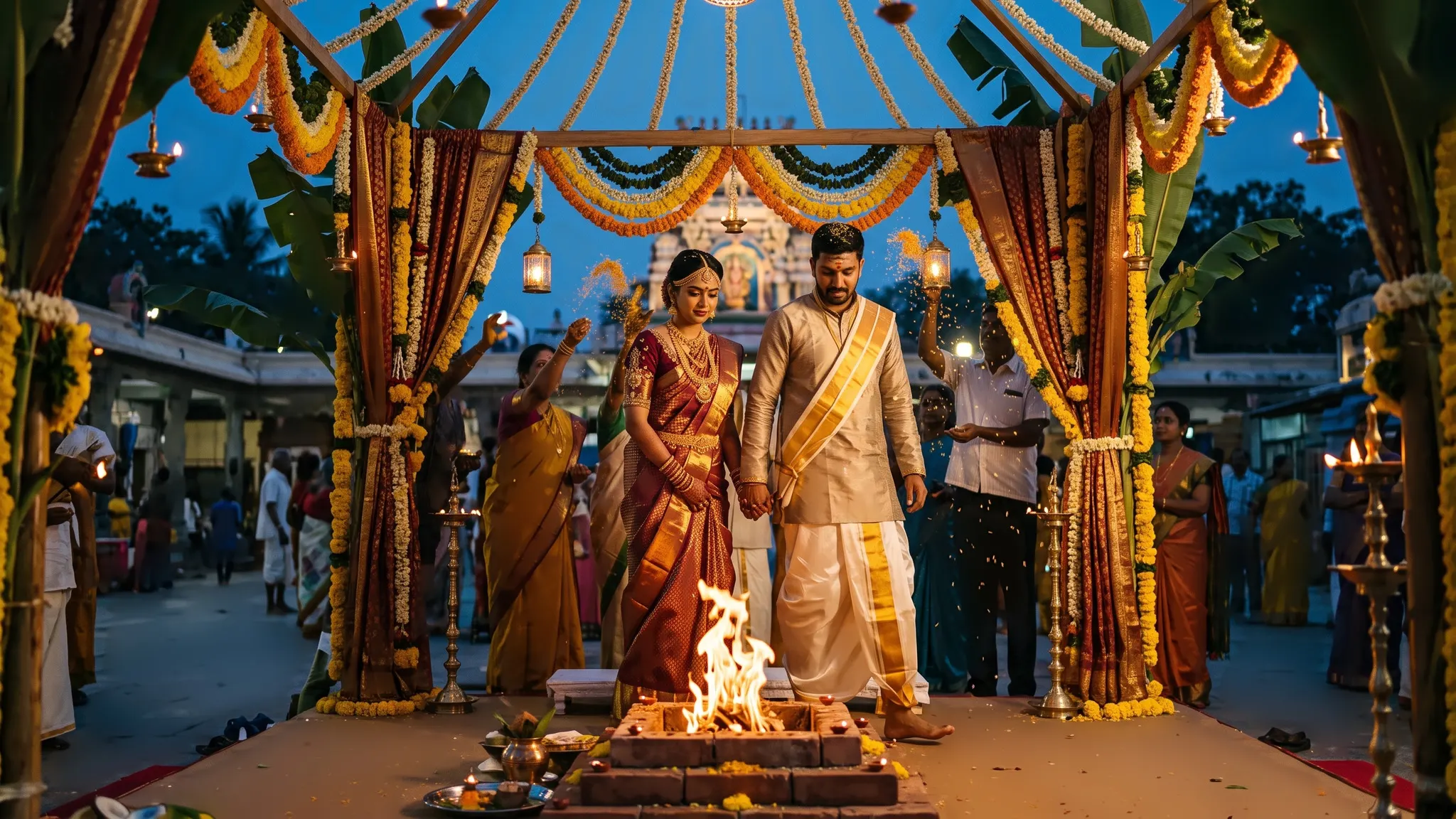
At a Bengali wedding the bride lowers the betel leaves for shubho drishti, and two shooters on opposite sides of the mandap fire bursts in the same few seconds. It happens once. CullTone keeps every day and every camera on one timeline, never archives a prayer for closed eyes, and edits in a regional look you choose.
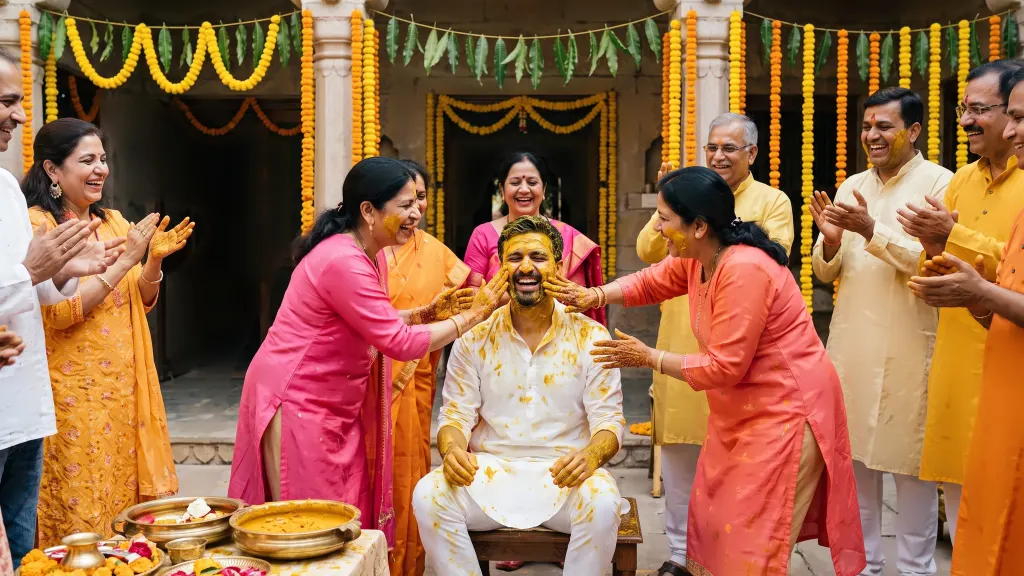
Haldi to reception
Every function in one project, with each shooter's card lined up by capture time.
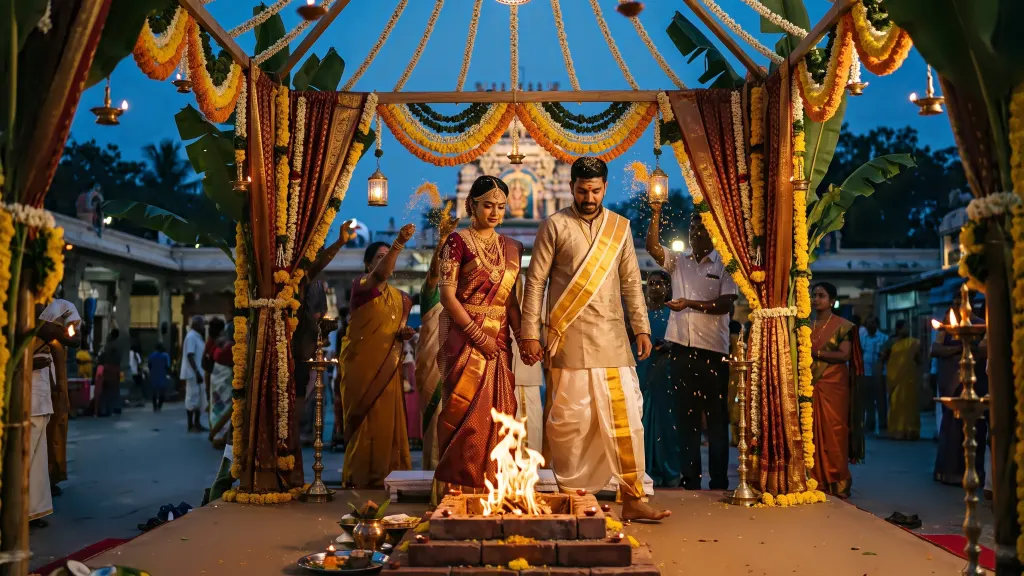
Rituals kept
A family with eyes closed in prayer goes to Review, never to Archive.
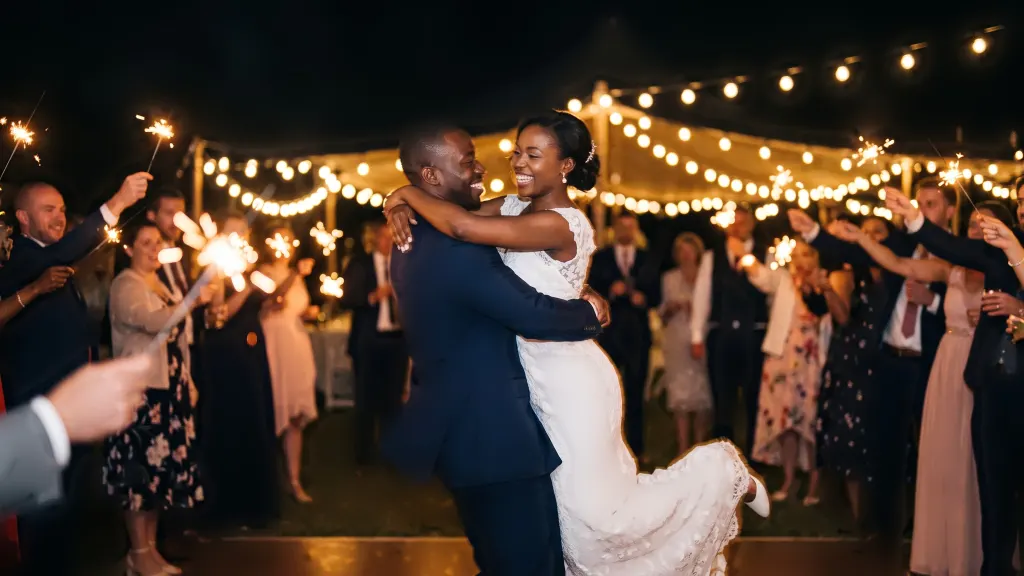
Sangeet nights
Punchy colour for dance floors, with highlights protected and skin left natural.

Key people covered
Mark grandparents and siblings, and their best frames move up until each has enough.
CullTone is for photographers everywhere, and this page is about Indian weddings in particular: several days, several shooters, ceremonies with their own rules about closed eyes, and colour that differs between a Kerala temple morning and a Punjabi sangeet night.
Every day and every camera together
Mehendi, haldi, sangeet, the ceremony and the reception can all live in one project, each as an event of its own: you say which event a card is from when you import it, and a card that holds two events is split on a timeline. Each event can have its own look, keep share and due date, and the gallery gets a tab per event. CullTone lines the frames up by capture time, corrected per camera if a clock was off, and starts a new scene whenever 90 seconds pass without a frame. The wedding preset keeps at least three frames from every scene, so a short ritual between two long ones still gets its coverage.
Then there's the guest list. CullTone groups faces within the project, you mark the people who matter (grandparents, the couple's siblings) as key people with a minimum number of photos, and their best Review frames move up to Keep until each has that many. Your own decisions still win. Faces are compared inside that one project only, and turning it off deletes the face data.
A word on size. A three-day, five-shooter project is a lot of frames for any Mac. Start the cull when the last card is in, and it works through the days while you sleep or travel home.
Eyes closed on purpose
Most culling rules treat closed eyes as a reject. At a puja, a havan or a nikah dua, the frame where most of the family has their eyes closed is the photograph. CullTone never archives a frame for closed eyes alone: when most people in a group have them shut, it marks the frame as intentional and sends it to Review, and a laugh with the eyes shut goes to Review too. You make the call.
Looks you choose
CullTone has nineteen cultural looks among its 54, and it never picks one from skin tone, clothing or the ceremony in the frame. You choose a look per project, and none of the colour looks shifts the colours where skin sits.
| Look | What it keeps |
|---|---|
| Indian wedding: warm & rich | Marigold, haldi, tungsten and diya warmth; rich but natural reds and golds; lifted shadows |
| South Indian temple gold | Deep silk reds and temple golds, warm glowing highlights |
| Kerala natural green | Fresh true greens, clean ivory and kasavu gold, soft contrast |
| Punjabi bold | Punchy colour for vivid outfits and dance floors, highlights protected |
| Bengali red and white | Crisp whites and deep true reds, soft warm shadows |
| Rajasthani royal | Warm sandstone gold, jewel tones, deeper shadows, a vignette |
| Tamil silk and jasmine | Deep Kanjivaram reds and maroons, temple-gold zari, jasmine kept white |
| Telugu turmeric and white | White pelli sarees with red borders, clean turmeric yellow, fresh greens |
| Gujarati bandhani colour | Bold bandhani reds, gharchola gold and garba-night colour, held highlights |
| Marathi Paithani green | Paithani greens and peacock blues, gold borders, pearls kept bright |
| Nikah soft pastel | Calm pastels, lifted shadows, muted colour |
The other cultural looks are made for ceremonies elsewhere: Chinese red and gold, Korean studio bright, Middle Eastern ballroom gold, West African celebration, Latin fiesta colour, Mediterranean summer and a clean white-wedding look, which also suits a church wedding in Goa or Kerala. Families mix traditions, and so can you: a project has one look, but you can change it on any photo in the edit studio. All 54 are on the looks page.
Region by region
These are the moments that most affect culling and editing, as starting points. Every family does it their own way, and a couple from two communities may do both.
Telugu
The muhurtham can fall late at night or before dawn, so the key frames are often under tungsten and mixed light. Jeelakarra bellam and talambralu, with rice showered over the couple, make fast bursts full of flying grains. Flying rice makes busy bursts, so look through those in Review rather than trusting the first pick.
Tamil
Early-morning muhurthams, the oonjal on the swing and the tying of the thali. The thali moment lasts seconds, with relatives crowding in close. Star the frame you want as must-keep and CullTone will never archive it, whatever it thinks of the focus.
Kannada
Kashi yatre and dhare share some shape with Telugu and Tamil ceremonies, in their own order. Treat them as separate scenes, which the 90-second gap usually does on its own.
Malayali
A Hindu Malayali ceremony can be over in minutes, so each moment has few frames and no second chance. Off-white kasavu and gold are easy to push yellow; the Kerala natural green look is built to keep ivory clean.
Marathi
The antarpat held between the couple during the mangalashtak, then the moment it drops and the akshata rice is thrown. That drop is a burst where one frame is right and the rest are near misses, a good place for the optional paid second opinion on the closest bursts, at a price you approve first.
Gujarati
Garba and dandiya nights are dance floors under coloured light at high ISO. If a night is mostly dancing, give it its own event and cull it with the event preset, which treats dark stage light as intended and allows ISO up to 12,800 before flagging. It stays in the same project and the same gallery.
Punjabi
The anand karaj in the gurdwara is usually a morning ceremony, with heads covered and four laavan around the Guru Granth Sahib; the evening brings the dhol, the jaggo and long dance sets. The morning wants restraint and the night wants Punjabi bold, which is a reason to make them two events, each with its own look.
Bengali
Shubho drishti, sindoor daan and the topor, often at an evening lagna. Red and white carry the whole palette, and red is the colour most easily oversaturated into a flat block; the Bengali red and white look aims for deep reds with clean whites beside them.
Bindis stay put
Face retouch is off until you turn it on. When it runs, it smooths skin and softens blemishes but never heals or recolours a bindi, kumkum, tilak, nose pin or mole. CullTone has no face reshaping or slimming at all. The Review step checks each retouched face and flags it if the skin colour moved, and the automatic exposure gives a backlit face the same lift whatever its skin tone. More on the editing page.
Questions from Indian wedding photographers
Does CullTone pick a look from the people in the photos?
Never. You choose a look per project and can change it on any photo. Nothing is guessed from skin tone, clothing or ceremony.
Is the price different in India?
No. Plans are in US dollars and the same everywhere, with no charge per photo, so a five-day wedding costs the same to cull as a one-day one.
What do I need?
A Mac with Apple silicon. CullTone is in beta, with no Windows build yet.
The wedding photographers page covers the whole card-to-gallery flow, and client galleries explains how families favourite and download.
Try it on a wedding you've delivered
Pick one with a second shooter and a ritual or two. Free for 30 days. Then from $9 a month. Compare plans.